A nonprofit can meet its fundraising goals and still struggle to fulfill its mission. Donations may keep programs operating, but financial contributions alone cannot guarantee effective leadership, organizational stability, or public confidence.
Behind every sustainable nonprofit is a network of people making decisions, managing responsibilities, and maintaining relationships with the communities they serve.
True organizational strength requires looking beyond fundraising and investing in the leadership, governance, and community connections that make long-term success possible.
Strong Boards Are the Foundation of Effective Governance
A nonprofit board should be more than a group of individuals who attend meetings and approve decisions. Board members are responsible for protecting the organization’s mission, providing oversight, and helping establish its strategic direction.
In Nonprofit Excellence: Strategies for a Challenging World, Louis J. Beccaria and Constance Carter emphasize thoughtful board recruitment, clearly defined responsibilities, productive meetings, and effective committee structures.
Selecting board members should involve more than recognizing professional accomplishments or community influence. Organizations must consider whether prospective members possess relevant skills, understand their responsibilities, and can contribute meaningfully.
A strong board also requires continuous engagement. Members need appropriate information, opportunities for participation, and a clear understanding of how their decisions affect organizational performance.
When governance becomes an active responsibility rather than a formality, nonprofit organizations develop a stronger foundation for navigating challenges.
Leadership Requires Partnership and Accountability
Effective nonprofit leadership depends on cooperation between the board and executive management.
Although their responsibilities differ, both contribute to organizational direction and performance. Boards establish policies and provide oversight, while executive leaders manage daily operations and implement organizational priorities.
Nonprofit Excellence: Strategies for a Challenging World addresses the importance of understanding these distinct responsibilities and maintaining productive communication between board members and executive leadership.
Confusion over responsibilities can create unnecessary difficulties. Clear expectations, regular communication, and mutual accountability help leaders work toward shared objectives.
Leadership development also matters. Organizations benefit from preparing future leaders, strengthening staff capabilities, and creating opportunities for professional growth.
Community Trust Must Be Earned and Sustained
Financial support often reflects confidence in an organization’s ability to use resources responsibly.
However, community trust involves more than fundraising success. It depends on transparency, consistent communication, responsible decision-making, and meaningful engagement with stakeholders.
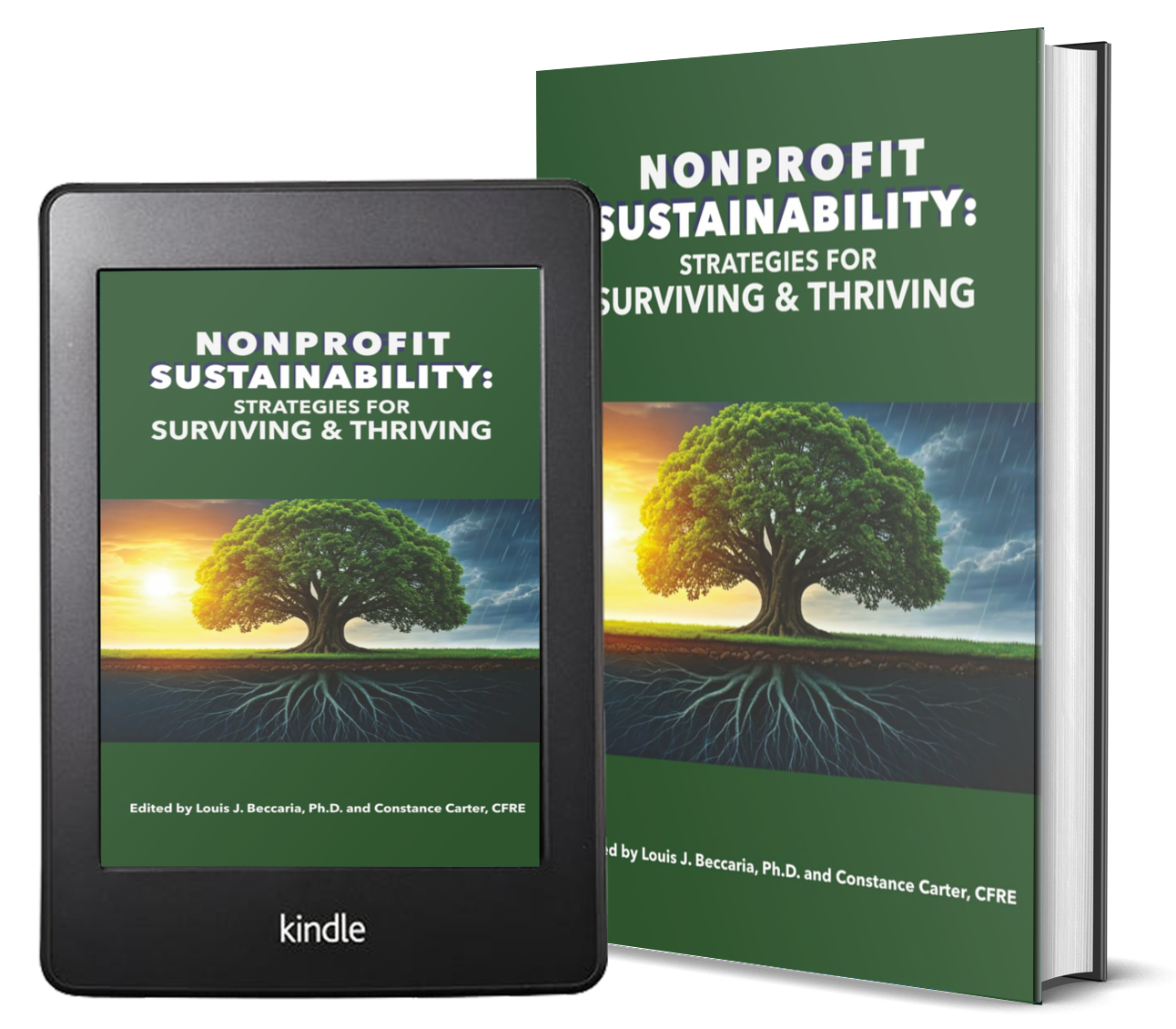
In Nonprofit Sustainability: Strategies for Surviving and Thriving, edited by Louis J. Beccaria and Constance Carter, reputation and community support are identified as essential components of long-term organizational sustainability.
Volunteers, donors, community partners, and program participants contribute to an organization’s broader network of support.
Maintaining these relationships requires genuine attention to community needs and a willingness to demonstrate accountability through everyday actions.
Building Organizations That Can Endure
Sustainable organizations recognize that governance, leadership, finances, and community relationships are interconnected.
The sustainability framework presented in Nonprofit Sustainability: Strategies for Surviving and Thriving reinforces the importance of strengthening these areas together rather than treating them as unrelated responsibilities.
Nonprofit leaders should regularly consider whether their boards are engaged, their leadership responsibilities are clear, and their community relationships remain strong.
Fundraising provides essential resources, but those resources achieve their greatest value when supported by capable people and responsible organizational practices.
A nonprofit’s lasting strength is measured not only by the funds it raises, but by the trust it earns, the leadership it develops, and the mission it continues to serve.
Explore Both Books on Amazon
Discover practical insights into nonprofit governance, effective leadership, organizational sustainability, and building lasting community relationships.
Nonprofit Excellence: Strategies for a Challenging World
Available Now on Amazon: https://www.amazon.com/dp/B09HYLP6G5/
Nonprofit Sustainability: Strategies for Surviving and Thriving
Available Now on Amazon: https://www.amazon.com/dp/B0HK9WC88S/
Strengthen your nonprofit’s foundation for lasting impact. Explore both books today!