Financial crises rarely arrive with enough warning for nonprofit organizations to prepare comfortably. A major grant may not be renewed, government funding may shift, or operating expenses may rise unexpectedly. When these challenges emerge, nonprofit leaders often face difficult decisions that affect employees, programs, and the communities depending on their services.
Yet financial sustainability is not simply about surviving a crisis. It is about developing the organizational strength to withstand uncertainty before that uncertainty becomes an emergency.
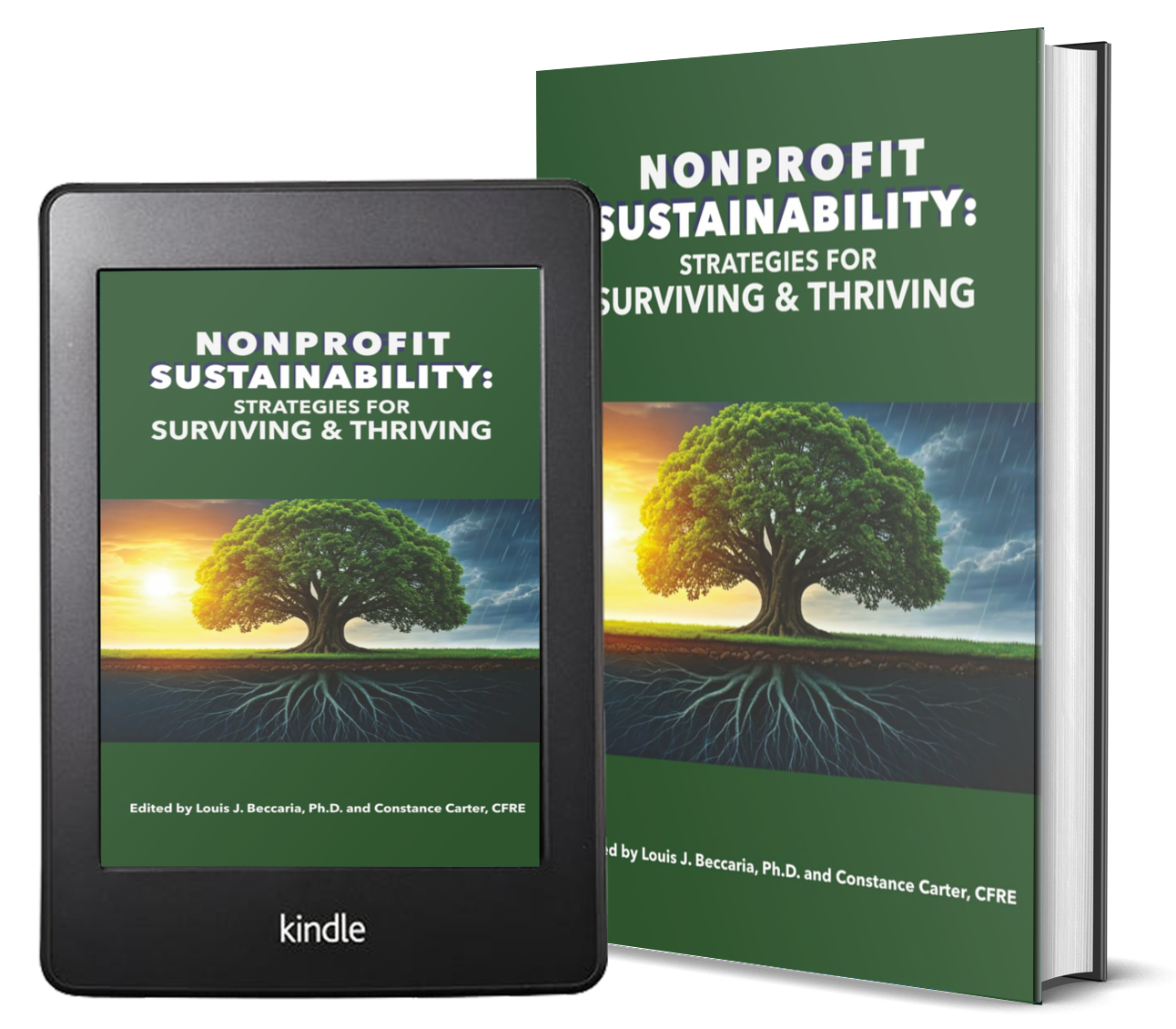
In Nonprofit Sustainability: Strategies for Surviving and Thriving, edited by Louis J. Beccaria and Constance Carter, sustainability is approached through interconnected financial, organizational, governance, leadership, and community considerations.
Financial Stability Requires More Than Fundraising
Fundraising is essential to many nonprofit organizations, but generating revenue does not automatically create financial security.
An organization may successfully attract donations while remaining vulnerable to unexpected expenses or interruptions in funding. Without adequate operating reserves, responsible budgeting, and reliable financial oversight, even an established nonprofit can experience serious difficulties.
Developing operating reserves is particularly important because these resources provide flexibility when circumstances change. They allow leaders additional time to evaluate their options rather than making immediate decisions under financial pressure.
Nonprofit Excellence: Strategies for a Challenging World, by Louis J. Beccaria and Constance Carter, also emphasizes the importance of sound financial management and responsible organizational leadership.
The lesson is straightforward: financial preparedness must become an ongoing responsibility rather than an emergency response.
Strong Governance Creates Lasting Stability
Financial resources alone cannot sustain an organization without capable leadership.
Nonprofit boards play a critical role in establishing accountability, evaluating organizational performance, and protecting the mission. Their responsibilities extend beyond attending meetings or approving annual budgets.
Effective governance requires engaged board members, clearly defined responsibilities, productive committees, and thoughtful strategic decisions.
The governance discussions in Nonprofit Excellence: Strategies for a Challenging World highlight how board recruitment, preparation, and participation contribute to organizational effectiveness.
When leadership teams regularly examine risks, assess resources, and evaluate future needs, they strengthen the organization’s ability to respond to changing circumstances.
Sustainability Depends on Relationships
An organization’s long-term strength also depends on the relationships it builds.
Donors, volunteers, community partners, employees, and local stakeholders all contribute to nonprofit sustainability. Maintaining these relationships requires transparency, meaningful engagement, and consistent attention.
Community trust cannot be established overnight. It develops through responsible actions, credible leadership, and an organization’s continued commitment to its mission.
The broader sustainability framework presented in Nonprofit Sustainability: Strategies for Surviving and Thriving recognizes reputation and community support as essential elements of organizational endurance.
Preparing Today Protects Tomorrow
Sustainability should influence everyday organizational decisions, from budgeting and strategic planning to leadership development and community engagement.
Nonprofit leaders can begin by asking practical questions: Are financial reserves sufficient? Does the board understand its responsibilities? Are revenue sources dependable? Is the organization preparing future leaders?
These questions may not produce immediate solutions, but they encourage the deliberate planning necessary for long-term stability.
Ultimately, nonprofit sustainability is not measured solely by an organization’s ability to survive difficult circumstances. It is reflected in how thoughtfully that organization prepares to continue fulfilling its mission.
The strongest response to a financial crisis often begins years before the crisis itself.
Explore Both Books on Amazon
Discover practical strategies for strengthening nonprofit leadership, financial preparedness, governance, and long-term organizational sustainability.
Nonprofit Excellence: Strategies for a Challenging World
Available Now on Amazon: https://www.amazon.com/dp/B09HYLP6G5/
Nonprofit Sustainability: Strategies for Surviving and Thriving
Available Now on Amazon: https://www.amazon.com/dp/B0HK9WC88S/
Build a stronger foundation for your nonprofit’s future. Explore both books today!